
Category Archives: Medical Tourism/Health Tourism

Tourism and good health: Medical Tourism

by Dr. Peter Tarlow, President of TOURISM & MORE, INC., Special to ETN | JUL 31, 2012

Tourism and health has taken on two new meanings. Health tourism can be broken down into two components, people who travel to a particular spot for medical reasons, such as cancer centers or for specific operations such a coronary bypass, and people who travel to a location for medicinal reasons such as rest and relaxation. Medicinal tourism caters not to the sick but to those who seek new levels of wellness. Examples of medicinal tourism are spa or centers that cater to non-essential cosmetic re-makes such a weight loss. Medical tourism of the hospital variety differs from medicinal tourism (the spa variety) in that it aims to serve those who are accompanying an ill person and often does not seek repeat business. Medicinal tourism on the other hand seeks repeat business and hopes that its clients will return on a regular basis.

Spa tourism has been around for thousands of years. In ancient times places such as northern Israel and Rome attracted visitors from the much of the known world. Across the millennia then spa tourism has provided visitors with non-invasive therapies, opportunities to improve physical fitness. In the modern world spas also provide their guests with weight-loss treatments, special cleansing diets and a variety of mineral and thermal skin treatments. Many spas also often massage and yoga classes as other ways to improve health and to de-stress.

Both of these separate phenomena are often classified as “medical tourism” and although their raisons d’être are very different, they also share many tourism similarities. Medical tourism also has the added advantage that it can provide essential services to the local population at the same time that it is helping the local economy. To help you consider if medical tourism is a good choice for your community consider some of the following ideas.

  • Determine what health factors make your community unique. Saleable health factors can include exceptionally clean air, unique waters with minerals, quiet settings, or any other natural phenomenon that would provide the person with a form of health benefits that are unique to your community.
  • Make sure that your medical personnel understand the importance of good bedside manner. In the world of medical tourism physicians, nurses, and therapists are more than medical professionals. They are also part of the tourism industry and their patients are also “clients”. That means that it is imperative to train medical tourism workers not only in their particular medical field, but also provide them with a clear understanding of customer service and the tourism product. How they treat their patients may well determine a patient’s willingness to return.

Merge your tourism offerings with the local ambiance. Medical tourism is about creating psychological and physical harmony. Make sure to offer a wide variety of options, but at the same time, be careful to honor the place in which your tourism is located and integrate local culture and foods into your medical tourism site.

Make your hospitals tourism friendly. Hospitals are often seen as places in which to get sick rather than to get well. Hospital tourism means integrating not only the patient with the local community but also the whole family. During the patient’s recovery phase, provide the patient’s family with day trips that stay connected to the hospital in case of emergency. Develop special brochures for out-of-towners who are visiting sick friends and relatives. Remember that these are people who are in your community due to a love one’s illness. They need excellent customer service, ways to relieve tension and still feel that they are close to loved ones.

Make sure that your medical tourism meets industry standards. Medical tourism is in an existential sense different from many other forms of tourism in that involves the health and well-being of a guest. Make sure to meet all standards, do not advertise what you cannot deliver and make sure that people understand the risks involved. The bottom line is that while foreseeability is essential in all forms of tourism it is especially important in the area of medical tourism.

Take the time to get your medical tourism right! Terms such as medical tourism, spa tourism and wellness tourism are often used so loosely that no one is sure what these terms mean. Be truthful in your advertizing; say what you offer and what you do not offer so that the customer is absolutely clear about the experience s/he is purchasing. Also be certain that resources, such as water, (as used in spas) are tested on a regular basis so as not to turn a medicinal tourism experience into an illness acquired experience.

If doing medical tourism; make sure that you create partner agencies. One of the problems in the area of medical tourism is what does a patient do after s/he has returned home and has a problem. Good medical tourism centers can provide 24 hour/7 day a week medical hot lines, but often a patient needs more than a phone. Make sure that medical records are sent home in the local language or in a language that the local doctor can read. Establish partner hospitals around the world and make sure that medical prescriptions can be filled in the customer’s country.

Deal with the insurance problems before not after. Many visitors in both medical and medicinal tourism may want to use a local insurance plan. Be sure to list in your literature payment structures and whose insurance your institutions can accept. There is nothing less pleasant than having a fight over money when it comes to health and these disputes often cause visitors to have a negative reaction to the host community and not just the health provider. Make sure that health providers understand that they are an essential part of the community’s economic health and what they do or fail to do reflects on the whole community.

source: http://www.theihcc.com / The Institute for Health Care Consumerism  / Home> Communities Health Access Alternative / July 31st, 2012
Innovative Medical Tourism Company Enters MENA

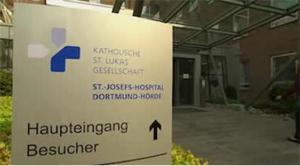
A Berlin-based healthcare company called MSVHealth recently expanded its operations to the Middle East and has already changed the face of medical tourism in the region. The premise of the business is to create a one-stop-shop service to assist customers with coordinating various medical services at the highest quality tertiary treatment centers in Germany – such asSt. Lukas and Cyberknife Center – and elsewhere around the world.

MSVHealth operates as the in-house marketing wing for these hospitals, which collectively offer a broad range of specializations including oncology, orthopedics, and cardiology. When a customer contacts MSVHealth, the group works to identify the best possible combination of treatment quality, cost, and related services to suit the customer’s needs. The group can be contacted through its Arabic-language website.

Interested in medical tourism?UAE Partakes in Medical TourismMedical Tourism Guide Published for JordanOman Completes Plan for $1B Medical City

At the same time, the company places a premium on developing cooperative relationships among doctors, medical institutions, ministries of health and other major partners in the medical field, in order to match existing needs with appropriate solutions.

Kevin Lim, MSVHealth director for the Middle East and North Africa (MENA), told Nuqudy, “Our work is driven by our dedication to help individuals identify appropriate treatment solutions for reasonable prices and within the shortest period of time possible. At the personal level, even a thank-you email from a satisfied customer makes it highly rewarding.” He added that the company ensures that clients only pay what is necessary for the treatment.

Clemens Galuschka, CEO of Katholische St. Lukas Gesellschaft, who has worked extensively with MSVHealth, told Nuqudy, “This partnership has streamlined the entire referral process and made it more timely and cost efficient for the hospital as well as the patients the hospital receives through MSV.”

Aside from identifying suitable treatment plans, MSVHealth also offers a number of bespoke services for customers including consultations with renowned specialists, assistance for visa-related issues, accommodation arrangements, pick-up and send-off at airport locations, personal escorts and interpreters, legal aid, and other non-medical services for those accompanying patients for the duration of the treatment.

A Dubai-based patient told Nuqudy, “Looking for treatment abroad became very complicated for me to do myself because I was unaware of the options and the way the European healthcare system worked. MSVHealth really simplified the process because they did everything for me; everything that I could have needed was taken care of.”

Among other places, MSVHealth maintains liaison offices in Germany, Austria, and the UK, where the majority of the hospitals it is partnered with are located.

source: http://www.albawaba.com / Home> Business> Tourism & Hospitality / August 03rd, 2012

Govt plans to stop out-of-country medical tourism by 2013

WORRIED by the billions of naira the country loses yearly due to overseas medical treatment by most Nigerians, the Federal Government plans to focus its 2013 health budget on improving the quality of services at the tertiary levels to curb medical tourism.

Minister of Health, Prof. Onyebuchi Chukwu, disclosed this on Monday while briefing the press after his presentation on the key performance indicators of the health sector in 2012 and proposed budget for the next fiscal year, at the State House, Abuja.

According to a statement signed by the Special Assistant to the Health Minister on Media and Communications, Dan Nwomeh, Chukwu said to achieve the goal, the Federal Government will intensify efforts to restore public confidence in the quality of tertiary health care system, while more public private partnerships will be pursued and realised.

He said the government will complete outstanding priority projects including the National Centre for Disease Control, the National Diagnostic Centre, new trauma centres in six orthopaedic and specialist hospitals across the country and continued rehabilitation and upgrade of teaching hospitals, while expressing the hope that these steps will foster efficiency and create more jobs in the health sector.

Chukwu listed other targets for 2013 such as the prioritisation of health in national development instruments including the Vision 20:20, the transformation agenda and the Subsidy Reinvestment and Empowerment Programme (SURE-P), passage of the National Health Bill into law, mainstreaming the health sector into all areas of national development and renewed commitment towards attaining universal health coverage.

On the key performance indicators in the health sector under the 2012 budget, the minister said a number of federal tertiary healthcare facilities were upgraded, just as there were increases in numbers of resident doctors trained overseas, centres screening for cancer nationwide, use of insecticide treated nets by pregnant women and health facilities providing specialised care for multi drug resistant (MDR) tuberculosis.

He also said significant improvements were recorded in emergency preparedness and response to epidemics such as measles, yellow and Lassa fevers, guinea worm, lead poisoning, Human Immunodeficiency Virus (HIV)/Acquired Immune Deficiency Syndrome (AIDS), malaria and other communicable diseases.

He said: “There has been a phenomenal increase in medical tourism by Nigerians, which is hinged on a number of factors like the lack of appropriate and modern facilities in our tertiary centres.”

source: http://www.ngrguardiannews.com / The Guardian Nigeria / Home> Features> Science / by Chukwuma Muanya / Thursday, August 02nd, 2012

Tourism and good health: Medical tourism

by Dr. Peter Tarlow, President of Tourism & More, Inc.,

Tourism and health has taken on two new meanings. Health tourism can be broken down into two components, people who travel to a particular spot for medical reasons, such as cancer centers or for specific operations such a coronary bypass, and people who travel to a location for medicinal reasons such as rest and relaxation. Medicinal tourism caters not to the sick but to those who seek new levels of wellness. Examples of medicinal tourism are spa or centers that cater to non-essential cosmetic re-makes such a weight loss. Medical tourism of the hospital variety differs from medicinal tourism (the spa variety) in that it aims to serve those who are accompanying an ill person and often does not seek repeat business. Medicinal tourism on the other hand seeks repeat business and hopes that its clients will return on a regular basis.

Spa tourism has been around for thousands of years. In ancient times places such as northern Israel and Rome attracted visitors from the much of the known world. Across the millennia then spa tourism has provided visitors with non-invasive therapies, opportunities to improve physical fitness. In the modern world spas also provide their guests with weight-loss treatments, special cleansing diets and a variety of mineral and thermal skin treatments. Many spas also often massage and yoga classes as other ways to improve health and to de-stress.

Both of these separate phenomena are often classified as “medical tourism” and although their raisons d’être are very different, they also share many tourism similarities. Medical tourism also has the added advantage that it can provide essential services to the local population at the same time that it is helping the local economy. To help you consider if medical tourism is a good choice for your community consider some of the following ideas.

-Determine what health factors make your community unique. Saleable health factors can include exceptionally clean air, unique waters with minerals, quiet settings, or any other natural phenomenon that would provide the person with a form of health benefits that are unique to your community.

-Make sure that your medical personnel understand the importance of good bedside manner. In the world of medical tourism physicians, nurses, and therapists are more than medical professionals. They are also part of the tourism industry and their patients are also “clients”. That means that it is imperative to train medical tourism workers not only in their particular medical field, but also provide them with a clear understanding of customer service and the tourism product. How they treat their patients may well determine a patient’s willingness to return.

Merge your tourism offerings with the local ambiance. Medical tourism is about creating psychological and physical harmony. Make sure to offer a wide variety of options, but at the same time, be careful to honor the place in which your tourism is located and integrate local culture and foods into your medical tourism site.

Make your hospitals tourism friendly. Hospitals are often seen as places in which to get sick rather than to get well. Hospital tourism means integrating not only the patient with the local community but also the whole family. During the patient’s recovery phase, provide the patient’s family with day trips that stay connected to the hospital in case of emergency. Develop special brochures for out-of-towners who are visiting sick friends and relatives. Remember that these are people who are in your community due to a love one’s illness. They need excellent customer service, ways to relieve tension and still feel that they are close to loved ones.

Make sure that your medical tourism meets industry standards. Medical tourism is in an existential sense different from many other forms of tourism in that involves the health and well-being of a guest. Make sure to meet all standards, do not advertise what you cannot deliver and make sure that people understand the risks involved. The bottom line is that while foreseeability is essential in all forms of tourism it is especially important in the area of medical tourism.

Take the time to get your medical tourism right! Terms such as medical tourism, spa tourism and wellness tourism are often used so loosely that no one is sure what these terms mean. Be truthful in your advertizing; say what you offer and what you do not offer so that the customer is absolutely clear about the experience s/he is purchasing. Also be certain that resources, such as water, (as used in spas) are tested on a regular basis so as not to turn a medicinal tourism experience into an illness acquired experience.

If doing medical tourism; make sure that you create partner agencies. One of the problems in the area of medical tourism is what does a patient do after s/he has returned home and has a problem. Good medical tourism centers can provide 24 hour/7 day a week medical hot lines, but often a patient needs more than a phone. Make sure that medical records are sent home in the local language or in a language that the local doctor can read. Establish partner hospitals around the world and make sure that medical prescriptions can be filled in the customer’s country.

Deal with the insurance problems before not after. Many visitors in both medical and medicinal tourism may want to use a local insurance plan. Be sure to list in your literature payment structures and whose insurance your institutions can accept. There is nothing less pleasant than having a fight over money when it comes to health and these disputes often cause visitors to have a negative reaction to the host community and not just the health provider. Make sure that health providers understand that they are an essential part of the community’s economic health and what they do or fail to do reflects on the whole community.

Source: tourismandmore.com
source: http://www.eturbonews.com / eTN  Global Travel Industry News   / Special to eTN / July 31st, 2012

TCIL taps medical tourism

Thomas Cook (India) Ltd (TCIL) is looking at tapping the medical tourism segment in India. By the end of 2012-13, the tour operator plans to launch its medical tourism initiative in the country. It is currently tying up with major Indian hospitals.

“We are trying to tap this potential in places such as Gujarat, Delhi, Chennai, Mumbai and Bengaluru,” said the company’s Chief Operating Officer for Leisure Travel Outbound, Madhav Pai. TCIL has already tied up with Seven Hills Hospital in Mumbai and is also in talks with the Apollo and Hinduja Hospitals.

source: http://www.TravelDailyMedia.com / Home> Travel Daily> Tour Operators / by Krupa Vora / Wednesday, July 25th, 2012