Category Archives: Medical Tourism/Health Tourism

COLOMBIA: New health complex could boost Colombian medical tourism

A new health complex in the capital Bogota, costing between $11m and $19m, could boost health, wellness and cosmetic tourism to Columbia. The construction of the Bosque Beauty Garden hotel and medical centre is expected to begin next March.

It is the result of a partnership between spa company Altos de Bosque and construction company Ricam. The health centre and adjacent hotel will cover 52,000 square feet.

Cosmetic surgery will be a major part of services on offer, with five-star accommodation for visitors alongside shops, green space and conference rooms. The complex with be the first of its kind in Colombia and will have 130 rooms and 40 doctors offices.

According to the Medellin-based cluster group of medicine and dentistry, and the Cali Chamber of Commerce, there were 18,000 health tourists in the region in 2010. 10,000 of those were foreigners, mainly from Curacao, Aruba, Suriname, the United States, and Spain.Bogota estimates similar numbers in 2010.

According to Colombia’s Ministry of Commerce, Industry and Tourism the most popular treatments sought by visitors are heart surgery (41%), general surgery (13%), gastric band surgery (10%), cosmetic surgery (10%), cancer treatment (6%), orthopedic treatment (4%, dental care (2%) and eyecare (1%).

Guillermo Rincon, the man behind its construction, says “When this is finished it will be the first in the country, meeting the needs of a rapidly growing sector in Colombia.”

source: http://www.IMTJ.com / Medical tourism news/ February 09th, 2012

‘HW’ sector prepares for tourist influx

PLAYERS in the country’s hospitality and wellness (HW) sector are currently consolidating their efforts to prepare for the influx of tourists, beginning with the establishment of the HW Pilipinas one-stop shop.

Dr. Rashmi Tolentino Singh, president of the HW Pilipinas, said the facility will cater to the needs and concerns of the hospitality and wellness industries that include personal care, furniture, furnishings, interior design, architecture and other related services.

Sergio Ortiz-Luis, president of the Philippine Exporters Confederation, said the hospitality and wellness industries should gear up so they could support the heightened campaign to boost tourism in the country, anchored on the new tourism slogan “It’s more fun in the Philippines.”

He said the 10-million target for tourist arrivals this year can be achieved.

“This spells huge opportunities for medical tourism and health and wellness sector in terms of sales and exposure of products and services,” Luis said.

On the export front, Ortiz-Luis said the world market for the sector is estimated to be worth at least “$100 billion for bulk ingredients and $1 trillion for natural products, both food and non-food.”

Luis said there are already encouraging signs coming from the consumers.

“People are getting conscious of their well-being now regardless of class. Aside from going to the salons or spas, people also take food supplements,” he said.

Singh said the industry has already submitted a list of projects that can possibly use promotion funds through the Export Development Council (EDC).

Singh said the sector is bound to benefit from these projects and “all we have to do is get our acts together.”

The EDC is now lining up projects that are aligned with the Philippine Export Development Plan for funding. These projects are expected to create immediate positive impact.

(Max V. de Leon)

source: http://www.BusinessMirror.com.ph/ by Max V. De Leon / Sunday, February 05th, 2012

Health & Wellness Tourism: Jamaica

Health and wellness tourism is now an international trend set by the health conscious consumers seeking to enhance their well being through their travel experiences. This type of consumer seeks to look and feel better, to lose weight, to slow the effects of aging, to relieve pain or discomfort, to manage stress, or to partake in the use of natural supplements like vitamins and minerals to improve their health.

Resorts and hotels are joining the health spa development craze, although only some resorts are moving into the scope of services currently offered by destination spas. Likewise, a growing number of day spas are adding health and wellness programming options.

A distinction is made between the health and the wellness aspects.Health tourism refers to those clients with medical conditions who would travel to experience healing therapies. A person who seeks a wellness travel experience, is generally healthy to start with, and seeks therapies to maintain his or her well being.
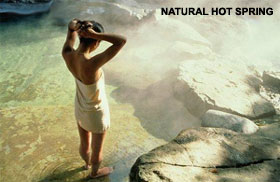
In Jamaica, most up-market hotels have expanded their services to facilitate guests who now see spa therapy as the deciding factor in a resort vacation, rather than just an additional amenity.Jamaicans are also leaning towards this form of recreational/health activity, resulting in a proliferation of day spas especially in Kingston.The increasing demands for this type of activity could be a window of opportunity for potential investors in tourism!

Sector Profile:
The spa industry segment is regarded as the leading player in health and wellness tourism. In searching for health and wellness travel experiences, travelers can find structured and professionally-delivered programmes at several types of spa venues. These include:

Mineral Springs Spa: A spa offering on-site natural mineral, thermal, or sea water, which is used in professionally administered hydrotherapy treatments. This spa typifies the European spa product offering focusing on health and wellness.

Resort/Hotel Spa: This category represents the second largest group of spa facilities in North America. The majority have been or are being developed where the spa is a profitable amenity added to traditional resort vacation opportunities.

TPDCo and Jamaica’s Mineral Springs
Two of Jamaica’s mineral springs, Bath Fountain Hotel and Spa in St. Thomas and Milk River Hotel and Spa in Clarendon, are recognized as being among the most powerful and therapeutic springs in the world. They and which now play a significant role in Jamaica’s health tourism offerings. Jamaicans provide the largest client base for these facilities.However, the potency of these springs has attracted a steady flow of overseas visitors over the years.

The Milk River Spa water quality is said to be among the most radioactive in the world and is comparable to the Lucerne Spa in Switzerland.

Repairs are being effected to both facilities. However, they will require significant capital injections to upgrade them to international standards.

The Milk River development project is part of the Government’s Millennium project, which is targeted for assistance, while the Bath Hotel and Spa is being considered for divestment.

World Trends 2004
It is important to note these ongoing trends gleaned by Spa Finder, the largest travel wholesaler of spa vacations in the world, with the largest audience of spa consumers.

1. Spas are becoming more and more relevant to today’s traveler, as more and more people turn to spas to improve their looks and well-being.

2. Medical spas will provide the prescription for health and wellness. Cosmetic treatments were the rage in 2003, but in 2004, baby boomers will use medical spas for truly medical purposes – namely preventative health treatments and regimens, nutrition and fitness, and health and wellness education.

Enjoying the sauna
3. Spa experience will become more mainstream in the corporate world. Mixing business with ‘spa’ pleasure,businesses will engage the use of spas to build relationships, motivate employees, and manage employee health. Innovative businesses, including insurance providers, will underwrite regular spa visit to promote employee health and productivity and to lower medical costs. (Interestingly, the American Academy of Family Physicians estimates that 60% of all problems brought to physicians are stress-related. US corporations lose approximately $150 billion each year to stress-related disorders.)

4. The ‘Destination Day Spa’ will become a new spa facility category. Moving beyond the typical day experience, destination day spas offer a holistic mind/body/spirit experience similar to experiences normally associated with destination spas, minus accommodations. One-day mini retreats will include education programs, fitness programs, and healthy meals, in addition to spa/beauty treatments.

5. The spa experience will become more affordable and inclusive, thanks to the continued explosion of affordable spas geared to middle income earners seeking professional treatments and wellness programs.

6. International spa tours will replace international spa treatments. Rather than seeking specific treatments from specific facilities, the international traveller will seek to sample a variety of spa experiences within the same destination.

7. Spa cuisine will break out of the spa and into our dining rooms, thanks to popular spa cuisine cookbooks and recipes. High-end spas will enlist celebrity chefs, expand menus, employ innovative branded diet programs, and accommodate special diets.

8. Spas will become the primary consideration for many travellers. In recent years the fastest growing segment of the hospitality industry was hotels with spas. Indications are that spas with hotels will become an even bigger factor in consumer travelling decisions. Rather than being an ‘amenity’ offered at hotels or resorts, spas will be the deciding factor or the primary draw.

9. Spas will increasingly cater to pets, offer kennels and pet treatments and programs.

10. Spas will continue to attract men and offer male-focused activities like golf, outdoor adventure, male cosmetic programs, and high-octane fitness programs. Men will use spas in record numbers and more spa facilities across the spectrum will offer equal facilities for men and women.

A hot tub has its pleasures.
11. A strong family orientation will prevail. Teenage girls used spas in record numbers in 2003 for beauty treatments and the glamour of a luxurious spa experience. It is predicted that spas will cater to even younger visitors, including boys. These young spa-goers will come with their families seeking health and wellness programs. Spas will cater to them by offering more family-oriented activities, spas-for-kids, and or kids-only spa programs.

source: http://www.tpdco.org / Home> Government of Jamaica / Tourisim Product Development Co. Ltd

Hospitality, wellness industries upbeat in 2012

Manila :
With the theme “Blooming at 2”, the Hospitality and Wellness Industries Furnishers and Services Providers Association (HW Pilipinas) is upbeat about the prospects of the industry in 2012 citing the strong business confidence in the country.
HW Pilipinas, composed of players in hospitality and wellness such as personal care, furniture, furnishings, interior design, architecture and other related services, recently celebrated its second year anniversary with optimism.
In her report during the event, Dr. Rashmi Tolentino Singh, HW Pilipinas president, noted that hospitality and wellness were industries that stood out in 2011.
“All we have to do is put our acts together,” she said.
HW Pilipinas was founded for the association to serve as the one-stop shop for the growing hospitality and wellness industries.
Singh was among the first businessmen to submit a list of projects that can possibly avail of promotion funds through the Export Development Council. The Council started to line up projects aligned with the Philippine Export Development Plan for funding. These projects are expected to create immediate positive impact.
Aside from modest funding assistance for advocacy, marketing and promotion capacity building through the industry associations, Philippine Export Confederation (Philexport) also provided enterprise-level services to their members’ needs, President Sergio Ortiz Luis, Jr. said.
Consistent with the Department of Industry’s earlier statements, Ortiz-Luis noted that the non-electronics sector is now improving. This is considering that the decline in total exports was minimal compared with the 34.5 percent drop year-on-year in electronic exports. Products covered by the association’s sector like coconut and by-products, fruits and vegetables are doing well globally.
“As we aim to carve a niche in the export market, it is important to note that the world market for your sector [hospitality and wellness] was estimated to be worth at least US$ 100 billion for bulk ingredients and US trillion for natural products, both food and non-food,“ Ortiz-Luis said.
Ortiz-Luis also added that there are encouraging signals coming from consumers. He said that people are getting conscious of their well-being now regardless of class. Aside from going to the salons or spas, people also take food supplements.
With the new tourism slogan, ‘It’s more fun in the Philippines,” he said saying he was positive that the 10 million tourist target this year can be achieved.
“This spells huge opportunities for medical tourism and health and wellness sector in terms of sales and exposure of products and services,” Ortiz-Luis said.
While 2012 is a challenging year, social and environmental concerns are still a primary concern for the structural design industry vis-à-vis revenues as noted in the best practice mentioned by Architect Felino Palafox Jr during the occasion.
“We give up 30% of potential clients. Last year, I gave up US$ 1 million architect fee [for a project] in Subic because our client wants to destroy 366 trees. The 366 trees that we protected in Subic are worth more than the US$ 1 million I gave up in architect’s fee.”
He said that a 50-year old tree is worth P9 million in replacement cost – the oxygen it provided, fertilizer it shed on earth, water it held, and the beauty it gave to the environment.
Congressman Teodoro A. Casiño also expressed support in addressing the hospitality and wellness industries’ concerns and possible areas of legislation. (PNA)
RMA/bac/utb

source: http://www.ZamboTimes.com / Friday, February 03rd, 2012

Medical Tourism Costa Rica

www.medicaltourismco.com Medical Tourism in Latin America is fast growing due to the close proximity to the USA & many eco-tourism opportunities. Costa Rica is leading the Medical Tourism growth due to the high quality health care, very less crime rate & western friendly tourism infrastructure. Although most medical facilities are run by the government, there are some high quality JCI accredited private hospitals in Costa Rica that are leading the medical tourism trend. San Jose, Costa Rica is not only the capital of the country, but also the primary medical tourism destination in Costa Rica. Medical vacation, surgery trip, health tourism, Overseas Treatment, medical outsourcing, are all terms that describe medical tourism. Surgery packages that include logistics – hotel, travel, logistics, recovery resort stay & more can save about 60% of the USA medical costs. Dental Tourism or Dental Vacation is one more area where people travel abroad for low cost treatments. Medical Tourism Facilitates medical treatment in India, Mexico, Belgium, Turkey, Jordan, Thailand, Guatemala, USA & Costa Rica.