Kerala’s ayurvedic industry challenged by Sri Lanka

Kerala’s ayurvedic industry believes that its counterparts in Sri Lanka are becoming a major threat to its dominance in the industry, a media report said.

Kerala’s ayurvedic industry challenged by Sri Lanka

Kerala’s ayurvedic industry challenged by Sri Lanka

“Sri Lanka has slowly come up as a threat to our market,” Sanjeev Kurup V., Secretary of the influential Kerala Travel Mart Society who also runs the Paithrukam Hospitality Group has told Indian media.

“I was in Sri Lanka only last week, and I estimate they have taken away 30-40 percent of our business,” Kurup has told IANS.

According to him, weakness of Sri Lanka’s rupee compared to the Indian rupee and also the end of the three decade old conflict in the Island has helped the country’s Ayurvedic industry.

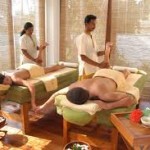
According to him, another reason for the growth is that in Sri Lanka many clinics allow men to provide ayurvedic massage to women.

“Well, ladies from countries like Germany, even if they are 45 years of age or more, are pretty strong physically, and they somehow don’t seem happy with our women,” he has said

However, Indian tourism officials believe that Sri Lanka, even though making grounds in the Ayurveda industry, it will not be at the expense of Kerala’s industry.

“Our ayurveda is so unique. And there is enough space in ayurveda business for more players to get in”, Suman Billa, Secretary in Kerala Tourism, has told the IANS.

According to the media report, ayurveda plays a key role in attracting close to one million foreign and over one crore domestic tourists every year to Kerala.

Almost 70 percent of the foreigners and 30-40 percent of Indian tourists come to Kerala for ayurvedic treatment and the average stay of a foreigner in Kerala is 18 days – one of the highest in the world.

source: http://www.news360.lk / News360.lk / Home> Others> Health / April 29th, 2013

Moving forward with medical tourism

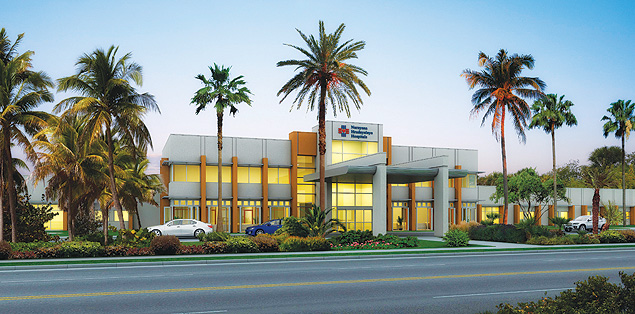
A rendering of the Health City Cayman Islands project in East End. – PHOTO: FILE

A rendering of the Health City Cayman Islands project in East End. – PHOTO: FILE

Out of sight from the East End main road, behind a rise and down a dusty access road, lies a quickly growing series of concrete and metal structures.

By March next year, if everything goes according to plan, these structures will be home to Health City Cayman Islands, a medical tourism hospital with 140 beds, offering cardiac and orthopaedic care to patients from overseas.

The US$2 billion facility is the brainchild of Indian cardiologist Dr. Devi Shetty who is on a mission to make surgeries that the common man can hardly afford accessible to everyone.

The site is rapidly taking shape as Cayman’s first medical tourism hospital, which politicians and businessmen have touted as likely to become a third pillar in Cayman’s economy, alongside general tourism and financial services.

Initial reports that Dr. Shetty was looking at Cayman as home to his latest venture began emerging in late 2009. A deal with the Cayman Islands Government was signed in April 2010.

The developers of the project, who include local businessmen Gene Thompson and Harry Chandi, say it aims to eventually roll out to become a 2,000-bed hospital over the next 15 years, offering services at considerably lower prices than they are available in the United States. While initially it appeared Dr. Shetty would be looking mainly to the US market for medical tourism patients, he announced later he anticipated patients would also come from the Caribbean and Latin America.

The cardiologist, who was Mother Theresa’s doctor, has teamed up with local partners Gene Thompson and Harry Chandi.

At Dr. Shetty’s 1,000–bed Narayana Hrudayalaya heart hospital in Bangalore in southern India, patients undergo heart surgeries for as little as US$2,000. In the United States, those operations cost between US$20,000 and US$100,000.

The project in Cayman is privately funded, but the Cayman Islands Government offered a raft of concessions and waivers to make Cayman as attractive a proposition as possible for the medical facility entrepreneur, who had been also looking as other possible locations for his hospital.

The terms of the deal called for changes to or introduction of legislation, including the Health Practice Law, enabling medical staff trained in India and other overseas countries to practise in Cayman; the Tax Concessions (Amendment) Law to exempt companies from potential future taxes; the Medical Negligence (Non-Economic Damages) (Amendment) Law, which caps pain and suffering damages awarded in medical malpractice cases to $500,000; and the Human Tissue Transplant Law, which allows human organ and tissue donations and transplants to be done in Cayman.

Under the agreement, Caymanians referred from the Health Services Authority will get a 20 per cent discount on surgeries at the hospital; work permit fees for medical personnel employed at the new hospital will cost between 15 per cent and 30 per cent less than normal; and patients and their relatives will be granted a minimum of three months visitors’ visa upon arrival in Cayman.

It also gives the company a 20-year waiver of all taxes on profit, income, gains and appreciations, regardless of whether the law changes to introduce taxes on those.

The company will be exempted from paying customs or import duty on the first US$800 million it spends on equipment and medical supplies. Once that US$800 million has been exhausted, for the 15 years following that, its duty payments on equipment and supplies will not exceed 5 per cent of the cost. In the 15 years following that period, its duty payment will not exceed 10 per cent of the cost of equipment and supplies.

Also, for the first 50 years of operation, it will not pay duty on any life-saving equipment.

The site became the first in Cayman to be granted planned area development status. The Central Planning Authority granted the approval to three separate PADs in January this year. PADs are projects covering more than 40 acres, with three or more distinct uses, which are master planned as one development.

Cayman’s then premier McKeeva Bush inked the deal with Dr. Shetty in April 2010. Mr. Bush had seen first hand how one of Dr. Shetty’s hospitals operated when he travelled to Bangalore to be at guest at the inauguration of one of the entrepreneur’s new hospitals.

Dr. Shetty broke ground at the High Rock site in September last year. The first concrete was poured in February and by mid-April, the walls of the four buildings in the first phase had been erected, roofs were already in place on some of the structures and the construction work was ahead of schedule, according to construction manager Ryan Smith. Once fully operational, the hospital will offer cancer treatments, open heart and bypass surgeries, organ transplants, angioplasty and orthopaedics, Dr. Shetty has said.

The US$2 billion facility is the brainchild of Indian cardiologist Dr. Devi Shetty who is on a mission to make surgeries that the common man can hardly afford accessible to everyone.

source: http://www.compasscayman.com / Cay Compass.com / Home> Article / by Norma Connolly   norma@cfp.ky  / April 30th, 2013

Indonesian foreign tourist arrival in Q1 up by 6 pct

Jakarta (Xinhua) :

The number of foreign holiday makers in the first three months in Indonesia rose by 6 percent to 2.02 million people on yearly basis, national statistic bureau announced here Wednesday.

Head of the bureau named only Suryamin told a press conference that the number of foreign tourist arrival in March this year was up by 10.13 percent to 725,300 people from that at the same period last year.

He said that the hike was contributed by intensive promotion done by the government.

Indonesia targets 9 million foreign holiday makers in 2013, higher than that of 8.04 million in 2012.

The government is striving to encourage more foreign holiday makers to visit the country by luring more Muslim tourists particularly from the Middle East and boosting health tourism.

Most of the country’s 238 million population are Muslim, with the majority of them moderate. The tourism authorities believed the country has great potential to tap the Muslim tourists.

The country also expects to raise the number of health tourists to 2 million in 2012 from 300 people in 2011, according to Asnawi Bahar, chairman of Indonesian travel agency association (Arsita).

Indonesian tourism industry has recovered from the Asian financial crisis and terrorism attacks in recent years.

source: http://www.news.xinhuanet.com / English.news.cn / Home> Travel / Global Edition / May 01st, 2013

Gallery

Saint Lucia to Host “Elevate Yourself” Third Annual Health & Wellness Retreat to Kick-off Health & Wellness Month in November

Saint Lucia – From November 1 – 3, 2013, the idyllic setting of Saint Lucia is once again host to a roster of renowned health, fitness and wellness experts during the third Annual Health & Wellness Retreat: “Elevate Yourself.” Noted experts … Continue reading →

Health & Wellness Tourism to Boost Employment and Incomes Across the Country

Bogotá, DC : 
 The Ministry of Trade, Industry, and Tourism, through the Productive Transformation Program (PTP), launched the business plan for the wellness tourism sector, an area in which Colombia stands to become a regional leader.
BogotaCT01may2013

The strategy plans to create 10,000 jobs and revenue of USD 450.6 million by 2032.

This was stated by the Minister of Trade, Industry, and Tourism, Sergio Diaz-Granados, who explained that with this new roadmap, the country seeks to strengthen its offer in the field of Thalassotherapy, which is a form of hydrotherapy, and the creation of first class spas and wellness centers. All, of which, will be “framed by the natural and cultural richness that characterizes Colombia,” said the Minister.

The projections for this activity show that there will be a substantial increase in revenue, which will move from the USD 4.3 million that was recorded in 2012 to that of USD 450.6 million by 2032. Moreover, it foresees the creation of 10,378 direct and indirect jobs during the same period.

“Within Colombia’s tourism strategy, this wellness offer represents an attractive addition to health, business, and nature tourism,” said the Minister. He added that the aim is to transform hydrotherapy into a standardized product, to ensure quality control and a focus on preventative care.

Currently, wellness tourism represents 1% of the total visitors to Colombia, and the objective of the business plan, which was presented yesterday, is to increase this to 2.15% by 2032.

Meanwhile, the Manager of the PTP, Juan Carlos Garavito, said: “Wellness tourism will become an engine of social, environmental, and economic development in various regions of the country…”

In his view, this business plan will tap the supply of living traditions, which include many indigenous rituals and practices with medicinal plants.

The wellness tourism strategy will be extended nationwide and will provide advertising, marketing, planning, and support to the regions. This will facilitate implementation and the attraction of both domestic and foreign investors. The regions, on the other hand, must concentrate their efforts on developing an attractive tourism offer.

The key items that comprise wellness tourism are thalassotherapy, hot springs and spas, and wellness centers. The sector’s business plan is based on three pillars of sustainable development: the environment, employment, and the economy.

Minister Diaz-Granados said that USD 642 million in investment is necessary for the creation of 216 new wellness centers by 2032. This will include 10 thermal centers, 2 thalassotherapy centers, and 200 wellness centers and spas. “The PTP, Proexport, and the private sector will participate in the 32 actions that are covered in the business plan for the wellness tourism sector, so as to achieve the proposed objectives,” he said.

CHE / LSC

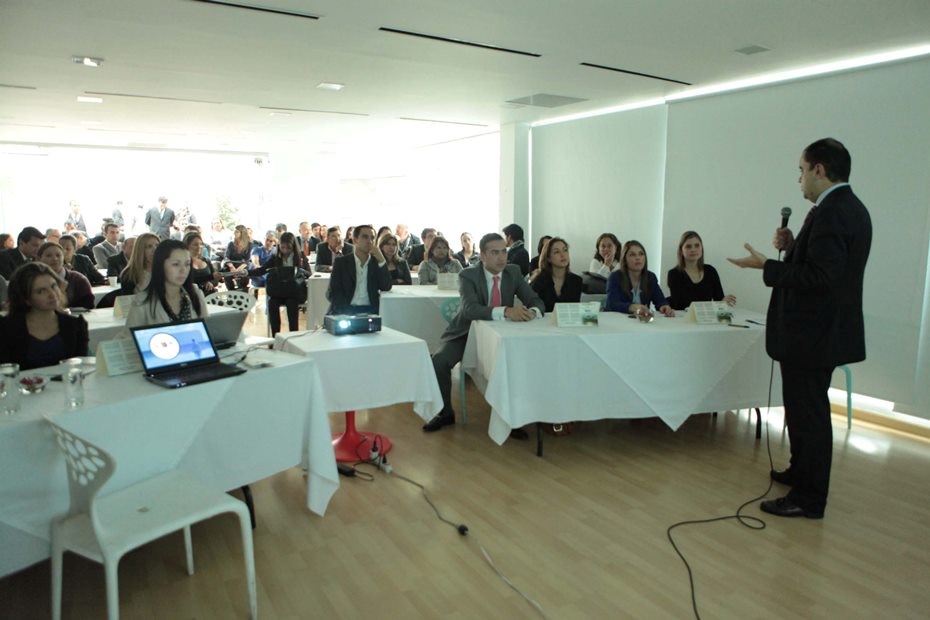
PHOTO: The Manager Productive Transformation Program (PTP), Juan Carlos Garavito, presented the business plan for the wellness tourism sector. He spoke before businesspersons linked to this activity.

OFICINA DE COMUNICACIONES

source: http://www.mincomercio.gov.co / Ministerio De Commercio Industria Y Tourismo / English /  Home> Health & Wellness Tourism / April 24th, 2013