Category Archives: Medical Tourism/Health Tourism

Developed, less developed countries targeted for medical tourism

Melaka : (Bernama)

Malaysia is targeting patients from both developed and less developed countries in the medical tourism sector by embarking on good facilities and competitive rates compared to other parts of the world.

Health Minister Datuk Seri Dr S. Subramaniam said Indonesia remained as the biggest market due to its proximity and accessibility.

“We are also targeting Middle Eastern countries and Bangladesh also as the Ministry itself is allocating RM25 million in promoting medical tourism, ” he told reporters here after addressing the 31st Annual Dinner and Installation Night of the Malaysian Medical Association Melaka Branch at a leading hotel here last night.

He said medical tourism benefited the government in terms of foreign direct investments and also spin-off effects in the hotel and shopping sector.

According to International Medical Travel Journal News, medical tourism receipts in Malaysia from foreign patients totalled RM509.77 million in 2011 involving 578,403 patients.

Dr Subramaniam said medical tourism was growing fast with Singapore and Thailand the biggest players in the region besides Malaysia.

source: http://www.mysinchew.com / MYSinchew.com / Home> News / Bernama / Melaka – September 29th, 2013

Dr Castaneda Contribution to Medical Tourism in Mexico via GastricBypassMexico.com

Diabetes sufferers and obese patients enjoy a brand new internet resource created by Dr Jose A. Castaneda, bariatric surgeon, leading the way in medical tourism and weight loss surgery in Mexico.

Guadalajara, Jalisco  : 

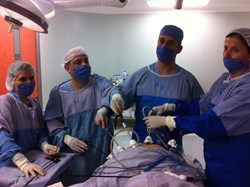
Bariatric Medical Team

Bariatric Medical Team

In recent years medical tourism in Mexico has become very popular with local and foreign patients. In fact, a recent study published by several media outlets across the USA, Canada and the UK confirms that Mexico has become the most obese nation in the world, surpassing the USA for the first time. The term medical tourism can be applied equally to international travelers seeking healthcare abroad, as well as patients traveling domestically inside their own country in need of weight loss surgery.

Mexico delivers one of the best private health networks worldwide, highly trained medical staff which in many cases studied and practiced medicine in the US, Europe and Asia before settling their private medical centers back home. Many private hospitals in Mexico hold JCI accreditation and well exceed international standards of care. When you combine all that with surgery prices that can be as much as 60% lower than those in neighboring countries, undoubtedly thousands of patients are attracted to receiving medical treatment in Mexico.

One of the leading bariatric surgeons in Mexico is Dr. Jose A. Castaneda. The launch of his new bariatric website GastricBypassMexico.com has grown exponentially over the past few months and is now considered one of the best online resources for national and foreign patients seeking weight loss surgery in Mexico.

“At Gastric Bypass Mexico  we provide several options for patients suffering from obesity, diabetes and weight related diseases; Gastric banding, gastric bypass, duodenal switch by laparoscopy, gastric sleeve or metabolic surgery, and very soon we´ll be adding new innovative procedures to improve the lives of our patients”, says Dr. Castaneda.

Dr Castaneda has been at the forefront of internet innovation for many years. He recently launched the new Bariatric App  dedicated to helping patients seeking bariatric surgery, or patients that have already undergone a weight loss operation with him. The new website WeightLossSurgeryinMexico.com  launched in early summer 2013 has received thousands of unique visitors and is also a great resource for patients.

Undoubtedly, the increasing costs of health care in the United States combined with a huge obesity epidemic in Mexico as well as the USA are key motivators driving more diabetes sufferers and obese patients toward medical tourism in Mexico and expert bariatric surgeons like Dr. Castaneda.

source: http://www.prweb.com / PRWeb / Home> Guadalajara, Jalisco / September 26th, 2013

UAE hoteliers urged to support medical tourism

According to Arabian Healthcare Group CEO Raza Siddiqui, the UAE has the potential to become a leading medical tourism destination.

Speaking at a recent conference in DUbai, Siddiqui said: “I’m a very strong advocate of the UAE as the next big medical tourism destination. The alternative medical tourism destinations which have come up have a lot of similarity to the UAE, especially Dubai. If you look at Thailand or Singapore, these destinations were very well accepted international tourism destinations and what they did was get international quality healthcare providers thereby attracting medical tourists.”

“Today, Dubai attracts 10 million tourists according to DTCM figures and we have international quality healthcare providers – you have Cleveland Clinic, you have Johns Hopkins – even local brands have come up very well,” added Siddiqui.

Siddiqui urged hoteliers to see the potential the medical tourism market offered in addition to traditional leisure tourism.

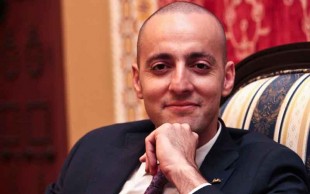
Carlson Rezidor director of business development Elie Milky.

Carlson Rezidor director of business development Elie Milky.

“There is huge potential for collaboration, cooperation, co-branding, joint marketing, because no patient comes alone – he comes with family, and anyone who comes and spends US $5000 on healthcare spends equal amount on tourism because the family will stay at a hotel, they will go shopping, they will eat out, so there is huge potential,” he said.

Carlson Rezidor director of business development Elie Milky agreed with Sidiqqui saying: “Hotels and serviced apartments with a medical complex or healthcare city simply complement the hospital – they are not competitors; they simply complement the other component of a mixed use development.”

“Speaking on behalf of the hospitality sector, we do encourage medical tourism because it adds to the already developed destination of Dubai, Abu Dhabi and UAE as a whole and it brings more business and contributes to the 2020 vision of Dubai,” he said.

Milky also revealed the group, which operates the Radisson Blu brand was exploring opportunities for properties in medical complexes in the region.

“We’ve got hotels in diplomatic quarters, we’ve got hotels in business parks and we would love to have a hotel in a medical complex,” he said.

“We are looking at a couple of opportunities for the Radisson Blu brand specifically as Radisson Blu residence or serviced apartments. So we are starting to see a growing trend with hotels being developed within medical cities, we see a growing trend for serviced apartments within medical complexes for markets such as the GCC, especially Saudi Arabia and the UAE, which is something we will definitely go for,” added Milky.

source: http://www.hoteliermiddleeast.com / Hotelier Middle East.com / Home> Hot Topics / by Parinaaz Navdar / September 30th, 2013

Medical Tourism ‘Africa To Africa’ With The Lions Eye Centre

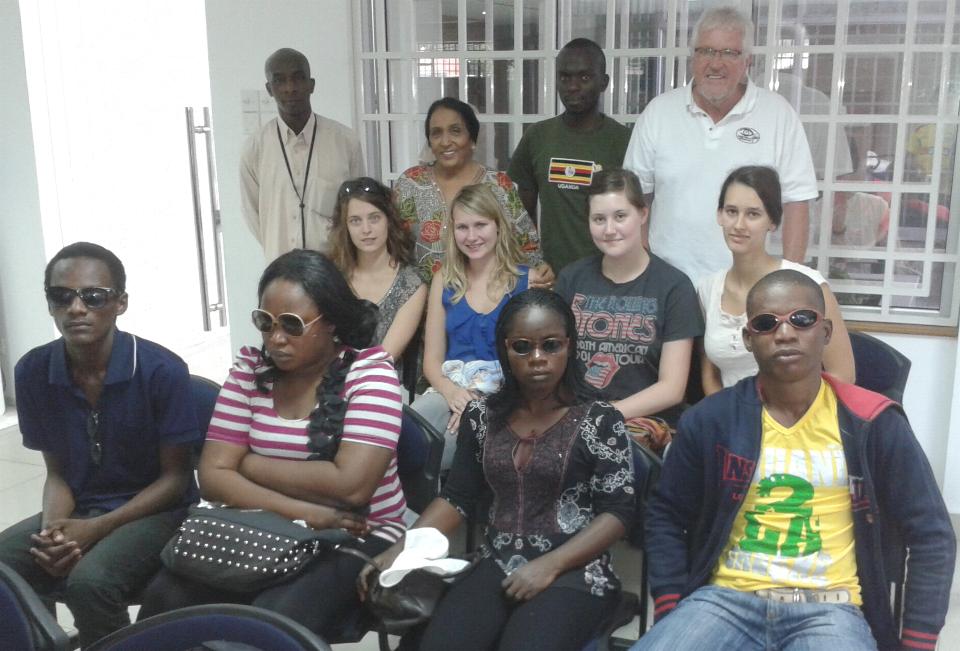
Coastweek--  Three patients from Ivory Coast and one from Uganda underwent corneal transplant surgeries at Lions eye and blood center, Mombasa on 13th September 2013 by Dr. Vishwanatha N. Gokhale, Dr. Sandhya Gokhale and surgical team. Seen along with operated patients are Dr. Lata Magon, President of Lions club of Mombasa Pwani, Klaus Renken of Cornea-Help and visiting Leo members from Wiesmoor, Germany.

Coastweek– Three patients from Ivory Coast and one from Uganda underwent corneal transplant surgeries at Lions eye and blood center, Mombasa on 13th September 2013 by Dr. Vishwanatha N. Gokhale, Dr. Sandhya Gokhale and surgical team. Seen along with operated patients are Dr. Lata Magon, President of Lions club of Mombasa Pwani, Klaus Renken of Cornea-Help and visiting Leo members from Wiesmoor, Germany.

Coastweek :

For Dao Bassirou, aged 28, of Abidjan, Ivory Coast, it came as a shock when he was advised to have a corneal transplant surgery done abroad to get back his deteriorating poor vision in both eyes.

Dao was suffering from gradually progressive blurry vision in both eyes which forced him to drop out of the school.

He was disturbed by severe symptoms of itching, watering and redness in his eyes for many years and the eye specialist at Abidjan diagnosed him to be having “ Keratoconus”.

Keratoconus is a progressive eye disease in which the cornea of the eye gets thin and bulging.

This disease affects mainly young children causing blurry and distorted vision.

In the early stages of the disease spectacles/ contact lenses can improve the vision but in the later stages cornea transplant is the only option.

With very low awareness about eye donation among local population and due to lack of trained surgeons at Abidjan, Bassirou had no option but to travel abroad to get the transplant surgery done.

But the cost involved was too high and prohibitive which left him silently suffering with poor vision.

It came as an unexpected boon for Dao Bassirou when he was informed by a a local Lion member that his surgery can be performed at Lions Eye Center Mombasa through a German voluntary organisation, Cornea-Help free of cost.

With a little bit of financial assistance from his friends and relatives he planned his travel.

Similar is the story of Soloman of Kampala.

He was on the verge of dropping out from his university studies due to very poor vision and lack of facilities and finance to undergo surgery in his country.

He was lucky to come in contact with a local Lions club which contacted Lions eye center Mombasa and Cornea-Help Germany.

Cornea-Help, a German NGO, has been working with Lions Eye Center Mombasa for the past two years to help such corneal blind patients.

With a common goal of serving the African patients who can not afford such expensive surgeries done in developed countries, this collaboration has helped 49 blind patients in last two years.

Elaborate plans were done by Cornea-Help for the screening of  these patients in Abidjan, their travel and stay at Mombasa and surgeries to be performed at Lions Eye Center.

On 13th September 2013, Dr. Vishwanatha N.Gokhale, Dr Sandhya Gokhale and their surgical team performed the Cornea transplantation surg-eries on these four patients successfully.

Cornea-Help arranged the travel and importing of the tissues from an eye bank in America. Lions eye center, which is the project of Lions club of Mombasa Pwani, performed surgeries with no charges.

Getting these surgeries done free of charges and within Africa was a dream come true for these four patients.

The 49 surgeries and the subsequent efforts to create awareness among local population has started yielding  results. Lions eye center has received about 15 corneas in last two years from the local eye donations.

This has enabled the corneal blind patients to be operated locally at a very reasonable charges.

Patients who otherwise would have traveled to some developed country to get operated, are travelling to Mombasa.

With increased awareness of eye donation, availability of surgical facilities in Mombasa and a great support from local philanthr-opists, Lions and organisations like Cornea-Help, Lions Eye Center is confi-dent of achieving the goal… Medical tourism – Africa to Africa.

source: http://www.coastweek.com /  CoastWeek.com / Home / Sunday – October 06th, 2013

Naira under pressure as medical tourism, foreign education rise

Nigerians’ growing demand for foreign exchange for health and education purposes abroad is putting pressure on the naira at both the foreign exchange market and interbank offered rate (NIBOR) BusinessDay investigations have revealed.

The high demand for foreign exchange at the bi-monthly Wholesale Dutch Auction System (WDAS), under the invisible sector is putting pressure on the Central Bank of Nigeria (CBN) to continue to defend the naira.

The 2013 budget allocation to both the health and education sectors at 12 percent is regarded by analysts as inadequate to check foreign travels for these services.

“The citizenry have no confidence in the services rendered by these sectors, thereby they will continue to seek alternatives by going abroad,” said analysts at Afrinvest.

The CBN in its latest quarter report said, “the invisible sector accounted for the bulk (42.4 per cent) of total foreign exchange disbursed in the first quarter of 2013 followed by industrial sector (18.9 per cent), mineral and oil sector (15.0 per cent),

manufactured products (10.5 per cent), food products (8.9 per cent), transport sector (3.9 per cent) and agricultural products (0.4 percent).”

Indeed, the CBN estimated foreign exchange demand by authorised dealers in the first quarter at $ 4.79 billion, is 11.7 percent above the level in the preceding quarter.

Consequently, the pressure on the naira has brought about a rise in NIBOR rates, typified by call moving from 10.8750 to 12.7083; 7days, 12.4583 from 10.5933 and 60 days to 13.1250 from 11.4167 as at Monday.

Similarly rates at the Nigerian Interbank Foreign Exchange Market (NIFEX) are now hovering between N158/59 to the dollar.

CBN’s intervention in WDAS had moved beyond $300 million in recent times to $371 million for May 25 and $350million for June 3 biddings at WDAS respectively.

According to Bismarck Rewane in his recent bulletin on the economy “exchange rate volatility continued in the forex market since the last MPC meeting which resulted in an increase in CBN intervention to keep the naira stable. CBN forex sales at the WDAS rose by 78% to $4.1bn since the last MPC meeting and resulted in a stable exchange rate of N155.74/$ at the official market.

Responding to BusinessDay enquiry, analysts at Afrinvest said, “this perfectly reflects the poor state of the Nigerian economy. Afrinvest Research attributes this to increased reliance on foreign services, which has led to the huge foreign exchange

outflow from the invisible sector, given that foreign currencies will be required to pay for the services (especially health and education) that Nigerians demand from the developed countries”.

They observed that the development would continue to pose serious challenges for the economy and by implication, build pressure around the naira, adding that “the way forward is for government to design policies that would curb frequent repatriation of profits. Profit made by foreign companies can be reinvested in the country for certain periods before repatriation. This will help boost economic growth in the long run.

“Also, there is the need for government to invest more in the health and education sectors (only 12% of total aggregate expenditure in 2013 budget). The present state of the aforementioned sectors is appalling.”

source: http://www.businessdayonline.com / Business Day / Home> Markets / by John Omachonu / June 06th, 2013