
Category Archives: Reports,Features, Statistics

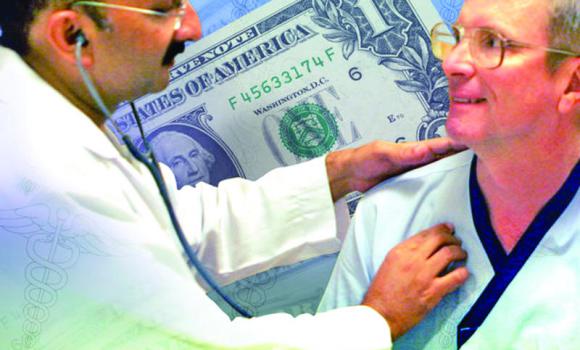
Medical tourism: India rolls out red carpet for foreign patients

MedicalCT20aug2013

From cutting edge surgeries to routine ones, from modern treatment to traditional therapies like ayurveda, unani, siddha and yoga, the Indian health care system offers all at a much lesser price than what it would cost in many other countries offering such services.
Medical tourism is a growing sector in India and the country has emerged as a leading health care destination with thousands of ‘medical tourists’ availing the services of its hospitals having the most skilled doctors in the world and modern medical equipment.
India’s medical tourism sector is expected to experience an annual growth rate of 30 percent, making it a $2 billion industry by 2015. As medical treatment costs in the developed world balloon — with the United States leading the way — increasing number of Westerners are finding the prospect of international travel for medical care very appealing.
According to the Confederation of Indian Industry (CII) 150,000 medical tourists came to India in 2005, based on feedback from the organization’s member hospitals. The number grew to 200,000 by 2008. A separate study by ASSOCHAM reported that the year 2011 saw 850,000 medical tourists in India and projected that by 2015 this number would rise to 3,200,000.
India’s choice as a preferred destination for medical tourism has been helped by the government offering the special ‘M’ visa to medical tourists — the visas are valid for a year and are issued for companions too.
The Indian government is taking steps to address infrastructure issues to help the country’s growth in medical tourism.
The government has removed restrictions on tourist visas that require a two-month gap between consecutive visits for people from Gulf countries which is likely to boost medical tourism.
A visa-on-arrival scheme for tourists from select countries has been instituted that allows foreign nationals to stay in India for 30 days for medical reasons.
Most estimates claim treatment costs in India start at around a tenth
of the price of comparable treatment in America or Britain.
The most popular treatments sought in India by medical tourists are alternative medicine, bone-marrow transplant, cardiac bypass, eye surgery and hip replacement.
Chennai has been termed India’s health capital. Multi- and super-specialty hospitals across the city bring in an estimated 150 international patients every day.
Chennai attracts about 45 percent of health tourists from abroad arriving in the country and 30 to 40 percent of domestic health tourists. Factors behind the tourists inflow in the city include low costs, little to no waiting period, and facilities offered at the specialty hospitals in the city.
India’s efforts to promote medical tourism took off in late 2002, when the CII prepared a study on the country’s medical tourism sector, which outlined immense potential for the sector.
The following year, then finance minister Jaswant Singh urged measures such as improvement in airport infrastructure to ensure smooth arrival and departure of medical tourists.
There is almost no waiting time for surgeries in India, a boon for patients from countries such as the US and Britain where the queues are long. Though the maximum medical tourists to India are from the US, Africa is catching up fast. In 2011, for instance, more than 30,000 patients came from Kenya and about 10,000 from Tanzania. Cost is a major factor as stem cell transplant, a process by which new cells are introduced into damaged tissue in order to treat diseases or injuries, has shown promise in treating various kinds of diseases, including some cancers.
Outside India, a stem cell transplant could cost up to Rs1 crore (approx $223,000), depending on the type of procedure, and the patient is asked to deposit the full amount before the procedure. In India the same procedure in a private hospital would cost between Rs10-Rs20 lakh (approx $18,500 to $37,000) in private hospitals. Uniquely Indian treatments like ayurveda and yoga for rejuvenation and wellness are helping states like the southern Indian state of Kerala rise to fame.
According to a CII-McKinsey report, medical tourism industry in Kerala is expected to be worth $4 billion by 2017. There are other treatments too — a comprehensive rehab policy for ‘narcotics-induced psychotics’. A recent group in New Delhi included people from the US, Canada, Oman as well as from Southeast Asia.
Though Thailand is at present dominating the medical tourism market in Asia followed by Singapore, India’s share in medical tourism is expected to grow substantially.
Hospitals are cashing in on the trend sprucing up facilities available on their premises.
A full-fledged movie lounge, a spa, a gym and fast food outlets are just some of the facilities on offer for patients and their attendants at corporate hospitals in Indian cities.
The Fortis hospitals, for instance, has a huge shopping arcade, a bakery, a spa, gym, a host of fast food outlets and also a 36-seater movie theater to screen free film shows for the patients and their attendants.
These days when it seems like every country in the world promotes itself as a haven for medical tourism, the reality is that in most cases they offer sub-standard facilities and limited skills, but India has tens of thousands of skilled physicians and nurses.
Over the last two decades, the economic boom in India has led to the building of medical facilities and infrastructure that rival the very best that western medical care has to offer. Many of the physicians that practice in these hospitals and clinics have returned (to India) from the US and Europe, leaving behind successful practices.
While some small countries may be viable as alternatives for minor surgical procedures, India is a mainstream option that offers a comprehensive solution for any and all medical needs, and does this with the highest levels of service, facilities, and professional skills.
A complex transplant or bypass procedure can be achieved for a tiny fraction of the cost for the same procedure in the United States.

source: http://www.arabnews.com / Arab News / Home / Riyadh : Rashid Hassan / Thursday, August 15th, 2013

Tough Call: Stem Cells And Health Tourism

IN one of his now infamous “Sith Lord” videos posted online, fashion mogul Peter Nygard is shown injecting himself with a hypodermic needle while exclaiming to awed onlookers at his Lyford Cay pleasure dome: “Ah, it feels so good – and you can see it’s working.”

That minute or so of hilarity demonstrates precisely what opposition leader Dr Hubert Minnis was seeking to convey in the current stem cell debate. It is the type of “science” that could be attracted to the Bahamas rather than the object of that science which concerns the good doctor.

Unfortunately, the growing public confusion over this issue has been fuelled by Nygard’s in-your-face involvement, which has turned the whole affair into a political circus. And as a result, politicians are sending conflicting messages. It also takes a lot of effort to focus on the complexities of the subject, and most of us do not have the time or interest for that. So here’s the score.

By all accounts, there is big money to be made in stem cell medicine based on unproven junk science treatments that target desperate patients and thrive in a lax regulatory environment. For example, in his search for the fountain of youth Nygard claims that “anybody whose body is at 60 years can get back to 25 years”. And at one point he was talking about establishing a stem cell facility in China.

But that doesn’t mean there isn’t a lot of good work being done by reputable scientists, and that includes age-reversing research. Commenting on a lab study earlier this year, Professor Danica Chen of the University of California said: “The question is whether we can understand the process well enough so that we can actually develop a molecular fountain of youth. Can we actually reverse aging? This is something we’re hoping to understand and accomplish.”

The difference between Nygard’s claim and Chen’s comment on longevity is clear.

But research in other areas of stem cell medicine is much further along. Treatments in cardiology, orthopaedics and autoimmune diseases have demonstrated remarkable benefits that have been proven out in clinical trials, though scientists still do not know exactly how stem cells work.

According to Dr Minnis (who is a former minister of health), “Stem cell science holds tremendous potential. Hope for revolutionary treatments and cures for myriad conditions have been held out. Does this mean that The Bahamas ought to become involved in this advanced scientific work? I am not convinced.”

Minnis doesn’t believe we can monitor and police this work to international standards, which could result in a tremendous publicity backlash against the Bahamas. He is also concerned that the government appears to be fast-tracking legislation simply to satisfy a financial backer who is on record as wanting to establish an age-reversing stem cell facility at his Lyford Cay home.

But the reality is we have been moving in this direction for some time. The previous administration, of which Dr Minnis was a part, began looking at these issues early in its term, with a view to establishing niche markets for the Bahamas in the lucrative and growing medical tourism industry.

In a five-year-old position paper, Dr Duane Sands (who is now deputy chairman of the FNM) wrote that “The opportunity to allow rigidly controlled introduction of therapies vetted and approved in other mature jurisdictions – but not yet FDA approved – can potentially create a cottage industry for compassionate treatment, supported in part by pharmaceutical and device manufacturers, in conventional hospital and clinic environments owned and operated by Bahamians.”

In fact, it was health travel that originally gave rise to our tourist industry. As one visitor wrote in 1900: “Nassau is so situated as to be an almost ideal health resort. It is near to the continent and has recently been made quite easy of access from thence…and its advantages… cannot fail of producing happy results.”

Among the medical tourism markets considered feasible for us are treatments that have been authorised in some developed countries but are still awaiting approval in the US. A second niche covers treatments that require long periods of rehabilitation, for which our environment is attractive. And a third covers procedures that patients might prefer to have performed abroad, such as cosmetic surgeries combined with a recuperative vacation package.

Until now, proposals like these have been vetted for safety, ethics and efficacy by an expert committee that functions under the Chief Medical Officer. They must also be approved by the Investment Authority – a cabinet subcommittee which seeks the advice of the Ministry of Health. Once approved, projects must apply for business licenses and work permits.

Efforts over the years to strengthen this un-legislated system by passing an improved medical act, enhancing the CMO’s office, and adding teeth and capacity to the Hospitals and Healthcare Facilities Board were never accomplished. But the Christie administration appointed an expert task force last year (which included Dr Sands) to consider stem cell legislation.

The task force reviewed regulations from other countries, and most of its recommendations were incorporated into the stem cell research and therapy act passed by the House of Assembly last week.

This law will set up a national committee chaired by the minister of health with members experienced in science, medicine, commerce and law. Proposals must be reviewed by subsidiary science and ethics committees, and facilities must then be licensed by the Hospitals and Healthcare Facilities Board. The review committees will base their decisions on an extended set of regulations contained in the new act.

These regulations require all clinical use of stem cells for research or therapy to take place in properly licensed facilities. Only autologous cells (from a patient’s own body) can be used, and proposed therapies must be backed by peer-reviewed published studies and clinical trial data. In addition, stem cells and their derivatives must be certified to have been handled according to strict medical safety rules.

“These regulations are rigorous,” one industry observer told me. “They are much tougher than those which apply in Panama, Mexico or even China, for example. That’s because the Bahamas doesn’t want to position itself as a place where any therapy goes. The best way to regulate this industry is to prevent bad actors from coming in the first place.”

The first stem cell therapy approved in the Bahamas was proposed in 2005, although no patients were ever treated. This was a cardiac procedure that is now available in the US. Several other cardiac stem cell procedures are awaiting enactment of the new law, including proposals by Dr Conville Brown and a proposal by Freeport’s Okyanos Heart Institute, approved in principle under the previous government. These procedures are undergoing FDA-approved clinical trials.

There are clinics around the world that will provide stem cell procedures for almost every intractable condition, targeting desperate people and charging tens of thousands of dollars for unproven treatments. In some cases, patients have developed tumours from injections of unpurified stem cells, and people have been injected with cells taken from animals.

But not every stem cell clinic is predatory, experts say. As noted earlier, procedures can be approved in the European Union while still undergoing lengthy trials in the US, and countries like the Bahamas can “play the spread” between the two. The US Food and Drug Administration requires that all stem-cell procedures undergo clinical trials for safety and efficacy before companies begin selling them in the US as therapies.

The Okyanos Heart Institute was attracted to Freeport by its medical tourism investment initiative. The clinic bills itself as “the first healthcare provider to offer cardiac cell therapy in a state-of-the-art clinical setting, using a European Union-approved cell processing device.” Plans are to start treating patients next year. Okyanos’ chief medical officer is a trustee of the American College of Cardiology.

Stem cells have the ability to divide and produce a range of different cell types, so they may be able to help the body regenerate damaged or lost tissue. But according to the International Society for Stem Cell Research, the range of diseases where such treatments have been shown to be beneficial in clinical trials is still limited.

“The best defined and most extensively used is blood stem cell transplantation to treat diseases and conditions of the blood and immune system, or to restore the blood system after treatments for specific cancers,” the ISSCR says. “Some bone, skin and corneal diseases or injuries can be treated with grafting of tissue that depends upon stem cells from these organs. These therapies are also generally accepted as safe and effective by the medical community.”

According to Dr Robin Roberts (director of the UWI School of Clinical Medicine and also a member of the stem cell task force), “Is there merit in the Bahamas being involved in stem cell medicine? The answer is a resounding ‘yes’. The centre of the stem cell debate today is not its scientific merit or economic value, it is setting the parameters of stem cell science as the new medical commodity. I believe that the task force accomplished its mission with distinction.”

However, he also points out that many proposed therapies are still speculative, with a potential for staggering profits. “This is the dark side of stem cell medicine – patients are receiving costly and unproven therapies that put lives at risk. The big question is whether the government can regulate so that stem cell therapies are safe and effective and the manufacturing processes are of the highest quality standards, as with traditional drugs.”

So the upshot seems to be that our current legislation is in keeping with work that was started years ago under previous governments, and extends the oversight system that already exists by formalising a set of well-considered regulations for cutting edge research and therapy. And specific proposals will be vetted by expert review committees.

But unfortunately Peter Nygard’s megalomania has intervened in this debate.

The video of his self-treatment described at the beginning of this article is a promotional sideshow that belies the rigorous standards provided in the act. And Nygard’s involvement has sparked a huge political row, leading the government to shut down our parliament and gag the leader of the opposition – an unprecedented and most unfortunate action.

The key to maintaining the nation’s reputation as a potential medical tourism destination is to avoid those who want to peddle snake oil to desperate patients for huge profits. By all accounts, the new legislation can do this if properly applied.

The key to avoiding unproductive political rows over foreign investors and paymasters is to implement campaign financing laws. I mean, who is Peter Nygard to be setting our political agenda? We only have so much capacity to begin with.

Do you think Perry Christie would be able to fast-track that legislation?

• What do you think? Send comments to larry@tribunemedia.net or visit www.bahamapundit.com.

source: http://www.tribune242.com / Tribune 242 / Home> Editorial / by Larry Smith / Wedneday – August 14th, 2013

Implant costs drive medical tourism

Dr. Rory Wright, an orthopedist, displays two modern hip joint options at the Orthopedic Hospital of Wisconsin in Glendale, Wis. Wright says joint makers in the U.S. keep prices high “because they can," not because of research and development or liability costs. / Narayan Mahon / New York Times News Service

Dr. Rory Wright, an orthopedist, displays two modern hip joint options at the Orthopedic Hospital of Wisconsin in Glendale, Wis. Wright says joint makers in the U.S. keep prices high “because they can,” not because of research and development or liability costs. / Narayan Mahon / New York Times News Service

By Elisabeth Rosenthal / New York Times News Service

Warsaw , Ind. :

Michael Shopenn’s artificial hip was made by a company based in this remote town, a global center of joint manufacturing. But he had to fly to Europe to have it installed.

Shopenn, 67, an architectural photographer and avid snowboarder, had been in such pain from arthritis that he could not stand long enough to make coffee, let alone work. He had health insurance, but it would not cover a joint replacement because his degenerative disease was related to an old sports injury, thus considered a pre-existing condition.

Desperate to find an affordable solution, he reached out to a sailing buddy with friends at a medical device manufacturer, which arranged to provide his local hospital with an implant at what was described as the “list price” of $13,000, with no markup. But when the hospital’s finance office estimated that the hospital charges would run another $65,000, not including the surgeon’s fee, he knew he had to think outside the box.

“Very leery” of going to a developing country like India or Thailand, which both draw medical tourists, he chose to have his hip replaced in 2007 at a private hospital outside Brussels for $13,660.

That price included not only a hip joint, made by Warsaw, Ind.-based Zimmer Holdings, but also all doctors’ fees, operating room charges, crutches, medicine, a hospital room for five days, a week in rehab and a round-trip ticket from America.

“We have the most expensive health care in the world, but it doesn’t necessarily mean it’s the best,” Shopenn said. “I’m kind of the poster child for that.”

As the United States struggles to rein in its growing $2.7 trillion health care bill, the cost of medical devices like joint implants, pacemakers and artificial urinary valves offers a cautionary tale. Like many medical products or procedures, they cost far more in the United States than in many other developed countries.

Makers of artificial implants — the biggest single cost of most joint replacement surgeries — have proved particularly adept at commanding inflated prices, according to health economists. Multiple intermediaries then mark up the charges. While Shopenn was offered an implant in the United States for $13,000, many privately insured patients are billed two to nearly three times that amount.

An artificial hip, however, costs only about $350 to manufacture in the United States, according to Dr. Blair Rhode, an orthopedist and entrepreneur whose company is developing generic implants. In Asia, it costs about $150, though some quality control issues could arise there, he said.

So why are implant list prices so high, and rising more than 5 percent a year? In the United States, nearly all hip and knee implants — sterilized pieces of tooled metal, plastic or ceramics — are made by five companies, which some economists describe as a cartel. Manufacturers tweak old models and patent the changes as new products, with ever-bigger price tags.

Generic or foreign-made joint implants have been kept out of the United States by trade policy, patents and an expensive Food and Drug Administration approval process that deters startups from entering the market. The “companies defend this turf ferociously,” said Dr. Peter Cram, a physician at the University of Iowa medical school who studies the costs of health care.

Though the five companies make similar models, each cultivates intense brand loyalty through financial ties to surgeons and the use of a different tool kit and operating system for the installation of its products; orthopedists typically stay with the system they learned on. The thousands of hospitals and clinics that purchase implants try to bargain for deep discounts from manufacturers, but they have limited leverage since each buys a relatively small quantity from any one company.

In addition, device makers typically require doctors’ groups and hospitals to sign nondisclosure agreements about prices, which means institutions do not know what their competitors are paying. This secrecy erodes bargaining power and has allowed a small industry of profit-taking middlemen to flourish: joint implant purchasing consultants, implant billing companies, joint brokers. There are as many as 13 layers of vendors between the physician and the patient for a hip replacement, according to Kate Willhite, a former executive director of the Manitowoc Surgery Center in Wisconsin.

Hospitals and orthopedic clinics typically pay $4,500 to $7,500 for an artificial hip, according to MD Buyline and Orthopedic Network News, which track device pricing. But those numbers balloon with the cost of installation equipment and all the intermediaries’ fees, including an often hefty hospital markup.

‘Sticky pricing’

The American health care market is plagued by “sticky pricing,” in which prices of products remain high or even increase over time instead of dropping. The list price of a total hip implant increased nearly 300 percent from 1998 to 2011, according to Orthopedic Network News, a newsletter about the industry. That is a result, economists say, of how American medicine generally sets charges: without government regulation or genuine marketplace competition.

“Manufacturers will tell you it’s R&D and liability that makes implants so expensive and that they have the only one like it,” said Dr. Rory Wright, an orthopedist at the Orthopedic Hospital of Wisconsin, a top specialty clinic. “They price this way because they can.”

Zimmer Holdings declined to comment on pricing. But Sheryl Conley, a longtime Zimmer manager who is now chief executive of OrthoWorx, a local trade group in Warsaw, said high prices reflected the increasing complexity of the joint implant business, including more advanced materials, new regulatory requirements and the logistics of providing a now huge array of devices. “When I started, there weren’t even left and right knee components,” she said. “It was one size fits all.”

Shopenn’s joint implant and surgery in Belgium were priced according to a different logic. Like many other countries, Belgium oversees major medical purchases, approving dozens of different types of implants from a selection of manufacturers, and determining the allowed wholesale price for each of them, for example. That price, which is published, averages about $3,000, depending on the model, and can be marked up by about $180 per implant. (The Belgian hospital paid about $4,000 for Shopenn’s high-end Zimmer implant at a time when U.S. hospitals were paying an average of more than $8,000 for the same model.)

“The manufacturers do not have the right to sell an implant at a higher rate,” said Philip Boussauw, director of human resources and administration at St. Rembert’s, the hospital where Shopenn had his surgery. Nonetheless, he said, there was “a lot of competition” among U.S. joint manufacturers to work with Belgian hospitals. “I’m sure they are making money,” he added.

No gift shop

There are, of course, a number of factors that explain why Shopenn’s surgery in Belgium would cost many times more in the United States. In America, fees for hospitals, scans, physical therapy and surgeons are generally far higher. And in Belgium, even private hospitals are more spartan.

When Shopenn arrived at the hospital, he was taken aback by the contrast with NewYork-Presbyterian Hospital, where his father had been a patient a year before. The New York facility had “comfortable waiting rooms, an elegant lobby and newsstands,” Shopenn remembered.

But in Belgium, he said, “I was immediately scared because at first I thought, ‘This is really old.’ The chairs in the waiting rooms were metal, the walls were painted a pale green, there was no gift shop. But then I realized everything was new. It was just functional. There wasn’t much of a nod to comfort because they were there to provide health care.”

The pricing system in Belgium does not encourage amenities, though the country has among the lowest surgical infection rates in the world — lower than in the United States — and is known for good doctors. While most Belgian physicians and hospitals are in business for themselves, the government sets pricing and limits profits. Hospitals get a fixed daily rate and surgeons receive a fee for each surgery, which are negotiated each year between national medical groups and the state.

While doctors may charge more than the rate, few do so because most patients would refuse to pay it, said Boussauw, the hospital administrator. Doctors and hospitals must provide estimates. European orthopedists tend to make about half the income of their American counterparts, whose annual income averaged $442,450 in 2011, according to a survey by the Commonwealth Fund, a foundation that studies health policy.

Belgium pays for health care through a mandatory national insurance plan, which requires contributions from employers and workers and pays for 80 percent of each treatment. Except for the poor, patients are generally responsible for the remaining 20 percent of charges, and many get private insurance to cover that portion.

With baby boomers determined to continue skiing, biking and running into their 60s and beyond, economists predict a surge in joint replacement surgeries, and more procedures for younger patients. The number of hip and knee replacements is expected to roughly double between 2010 and 2020, according to Exponent, a scientific consulting firm, and perhaps quadruple by 2030. If insurers paid $36,000 for each surgery, a fairly typical price in the commercial sector, the total cost would be $144 billion, about a sixth of the nation’s military budget last year.

So far, attempts to bring down the price of medical devices have been undercut by the industry.

When Dr. Daniel Elliott of the Mayo Clinic decided to continue using an older, cheaper valve to cure incontinence because studies showed it was just as good as a newer, more expensive model, the manufacturer raised its price.

“If there was a generic, I’d be there tomorrow,” he said.

With the federal government unwilling to intervene directly, some doctors and insurance plans are themselves trying to reduce the costs by mandating preset prices or forcing more competition and transparency.

The Affordable Care Act tries to recoup some of the medical device manufacturers’ profits by imposing a 2.3 percent tax on their revenues, effective this year. But Brad Bishop, executive director of OrthoWorx and a former Zimmer executive, said the approach would harm an innovative U.S. industry, and that the cost would ultimately be borne by joint replacement patients “whose average age is 67.” He argued that the best way to reduce the cost of joint replacement surgery was to rescind the tax and decrease government interference.

The medical device industry spent nearly $30 million last year on lobbying, according to the Center for Responsive Politics. The Senate moved to repeal the tax, and the House is expected to take it up this fall. The bill’s supporters included both senators from Indiana.

source: http://www.bendbulletin.com / The Bulletin / Home> News / by Elisbeth Rosenthal, New York Times News Service / August 04th, 2013

Medical tourism: Latin America is a prime destination

Kidney transplant

John Benson / Saludify

The high cost of healthcare has created the lucrative phenomenon of medical tourism.

An IPK International survey revealed roughly 3 percent of the world’s population travels to foreign countries for medical treatment, while Patients Beyond Borders, which publishes international medical travel guidebooks, reported the medical tourism industry is a $40 billion a year business.

In the United States, the impetus behind medical traveling goes beyond saving a penny. For the Latino community especially, the attraction of traveling to Latin America is to not only spend less but also peace of mind dealing with Spanish-speaking doctors and quality facilities.

As for why people are seeking out Latin America, the answer is basically, why not? Procedures are much more affordable and with proper research, many quality facilities and accredited doctors can be found.

There is tubal ligation reversal surgery in Mexico, buttock implants in Costa Rica, chin and breast implants in Colombia,  assisted fertility and gastric bypass  in Argentina, and dental work in El Salvador. More so, people are also visiting Latin America for cancer treatments, cheap pharmaceuticals, diabetic care and rehab.

In fact, Patients Beyond Borders reports  Mexico now attracts more than a million patients a year, many of whom are Hispanics from California, Arizona and Texas. It’s this proximity to North America that makes Latin America’s medical tourism so attractive. Other factors include favorable exchange rates, bilingual healthcare officials, friendly cultures, tropical climates and exotic locations allowing for relaxing and scenic recovery time.

Still, there are those who are fearful of traveling to a foreign country for a medical procedure. They often have misconceptions about third world standards of living, poverty, disease, violence and more. Something else that may keep them from experiencing medical tourism is the threat of malpractice without the U.S. legal system offering protection.

The truth is many  healthcare providers in Latin America are internationally accredited  by the Joint Commission International (JCI). The doctors are bilingual, with many of them U.S. board certified or trained in the states. Some healthcare providers also have ties to stateside medical institutions.

Here’s a look at popular Latin American destinations for medical tourism, according to Healthbase:

Costa Rica offers services in various departments of medicine including orthopedics, bariatrics, ophthamology, dermatology, plastic surgery and dentistry. Savings can be as much as 70 percent or more.

Panama is Central America’s most industrialized country. Its medical tourism sector is growing rapidly with upwards of 50 percent in savings. Also, its use of the U.S. dollar as currency makes its friendly for Americans. Many doctors are bilingual and board certified.

Mexico is popular for dental and medical tourism due to cheap surgeries, which are not covered by American insurance companies. Also growing in Mexico is laser eye surgery, dermatology and cardiology with savings ranging from 30 to 70 percent.

Brazil and Colombia are among the most popular destinations for plastic surgery. With many accredited and awarded doctors, costs are usually cut in half, even adding the travel arrangements. In fact, according to Bloomberg News, Brazil is the sixth most popular destination for medical traveling, with more than 4,500 licensed cosmetic surgeons.

Looking ahead, Latin American countries hoping to expand medical traveling may follow the path of Costa Rica, where earlier this year the International Medical Travel and Business Summit was held.

“Costa Rica has become the premier destination for medical travel and tourism in the Western hemisphere,” said PROMED [The Council for the International Promotion of Costa Rica Medicine] Director Massimo Manzi, in a press release. “Our biggest challenge is educating the consumer. The Summit is a marvelous opportunity to highlight our medical providers and to showcase the incredible opportunities that exist by placing buyers and sellers of medical tourism together.”

source: http://www.insidecostarica.com / Inside Costa Rica

Gallery

30% exhibit space increase at Medical Fair Thailand 2013

With a 30% increase in exhibit space, the 6th edition of MEDICAL FAIR THAILAND, International Exhibition on Hospital, Diagnostic, Pharmaceutical, Medical & Rehabilitation Equipment & Supplies, is sold out one month before the start of the event. This increase confirms … Continue reading →